
Why Lincoln Park Basements Flood During Heavy Storms (It’s Not Just Rain)
Lincoln Park basements flood during heavy storms largely because of Chicago’s combined sewer system, which carries both stormwater and sewage in the same pipes. When a storm overwhelms the system’s capacity, the pressure creates a back-up — and the lowest point in that system is often your basement floor drain.
The combined sewer system, briefly explained
Most older Chicago neighborhoods, Lincoln Park included, were built on a combined sewer system rather than separate stormwater and sanitary lines. During a heavy rain event, stormwater runoff and sewage share the same pipe capacity. When that capacity is exceeded, the path of least resistance for excess water is often back up through household drains — particularly basement floor drains, which sit at the system’s lowest accessible point.
Why this hits Lincoln Park specifically
Dense, largely paved lot coverage in Lincoln Park means less soil to absorb rainfall compared to newer, less dense suburbs. Combined with aging infrastructure and finished basements that were rarely designed with backup flooding in mind, the neighborhood sees this pattern more than most.
What actually prevents it
The Scottish Plumber installs three main flood control options, and the right one depends on your property and budget:
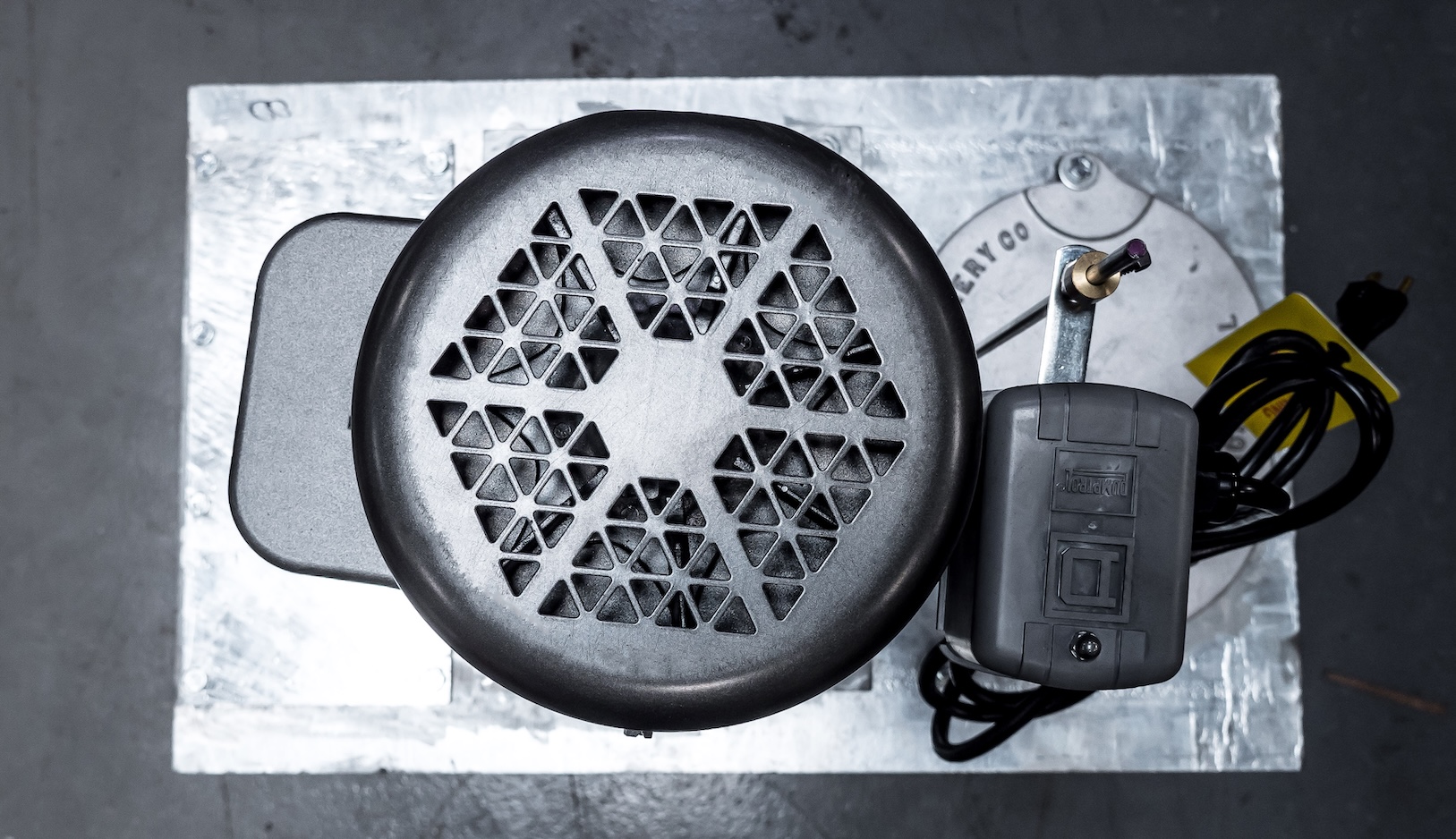
- Tramco flood control systems — manufactured in Chicago since the 1950s, installed inside or outside the home, with a heavy-duty pump in an aluminum encasement and a system of check valves. Comes with a 10-year parts and labor warranty.

The Tramco 960 Flood Control System seen from overhead. - Double check valve flood control systems — installed outside, typically in the front yard, using a concrete vault with an ejector pump and check valves
that block backflow during a surcharge and drain the vault out once pressure recedes.


How a double-check valve flood control system works. - Overhead sewer conversion — raises your sewer pipe above ground level at the house so even a pressurized city sewer can’t reach it, with basement plumbing rerouted through an ejector pump.


How an overhead sewer conversion works.


Frequently Asked Questions
What kind of flood control system do I need?
It depends on your property. A Tramco system works inside or outside the home with a 10-year warranty; a double check valve system installs outside in a front-yard vault; overhead sewer conversion is the most thorough fix, raising your sewer pipe above ground level entirely. We assess your basement and sewer line during a free consultation to recommend the right fit.
Will a sump pump alone stop sewer backup flooding?
No. A sump pump manages groundwater and foundation seepage; it does nothing to stop sewage surcharge coming up through a floor drain. That requires a flood control system like the ones above.
Call 888-MAC-CLOG to evaluate your basement’s flood risk, or schedule an appointment here.