
A Brewing Concern: What Milwaukee’s Record Flooding Tells Chicagoland Homeowners
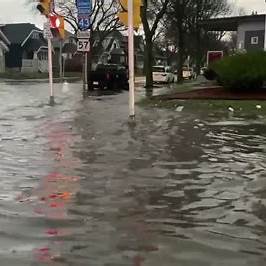
Last night, Milwaukee was struck by a record-shattering flash flood, with some areas receiving up to a foot of rain in a very short period. This intense downpour triggered widespread chaos—emergency declarations, numerous water rescues, power outages, submerged vehicles, and the closure of the Wisconsin State Fair. The Milwaukee Fire Department handled over 600 emergency calls overnight, from flooded basements to gas leaks and stranded drivers.
Why Chicago Homeowners Should Take Notice: The Rise of The Intense Hourly Storms
Chicago isn’t immune to this growing threat. The city is increasingly experiencing short, highly localized storms that can drop two inches or more of rain per hour—far beyond the capacity of the decades-old sewer systems .These intense downpours commonly lead to combined sewer backups that force water into basements and private drains.
A sobering example: In July 2023, Chicago endured a catastrophic flood where at least 70,000 basements were inundated due to persistent, heavy rainfall that overwhelmed sewer and reservoir systems.
More recently, the West Side was deluged by approximately 5 inches of rain in just 90 minutes, a reminder of how quickly these extreme events can arise—and the costly consequences they bring.
One analysis underscores the link: higher rainfall intensity correlates strongly with spikes in both street and basement flooding—an urgent signal for homeowners to act.
What Can You Do? Smart Steps to Protect Your Home
Here’s how Chicago homeowners can prepare:
- Schedule a Flood Risk Evaluation
Bring in a certified flood control professional to assess vulnerabilities—like potential sewer backups, sump pump needs, or seal integrity. The Scottish Plumbers has technicians who specialize in flood control. - Invest in Preventive Measures
- Install or upgrade flood control systems, sump pumps, and battery backups.
- Ensure proper grading and drainage around your foundation to divert surface water away.
- Have a Prepared Response Plan
- Know how to shut off electricity and sewer lines safely.
- Take photos of your basement and belongings now—for insurance purposes later.
- Keep essential numbers handy (plumber, electrician, restoration service).
- Stay Informed During Storms
- Monitor weather alerts—rain warnings aren’t just inconvenient; they’re a sign to ready your defenses.
- If a storm is imminent, take quick action: deploy flood barriers, test your sump pump, or sandbag vulnerable entry points.
Don’t Wait for the Flood
Milwaukee’s flood was a stark warning: these flash, high-volume storms are no longer rare events—they’re the “new normal.” Chicago’s aging infrastructure and climate volatility mean that basement floods can happen fast—and with devastating effects.
By evaluating your home’s flood defenses, installing safeguards, and having a response plan, you can turn a potential disaster into manageable preparedness.